-
How to create a shining coin using a shader
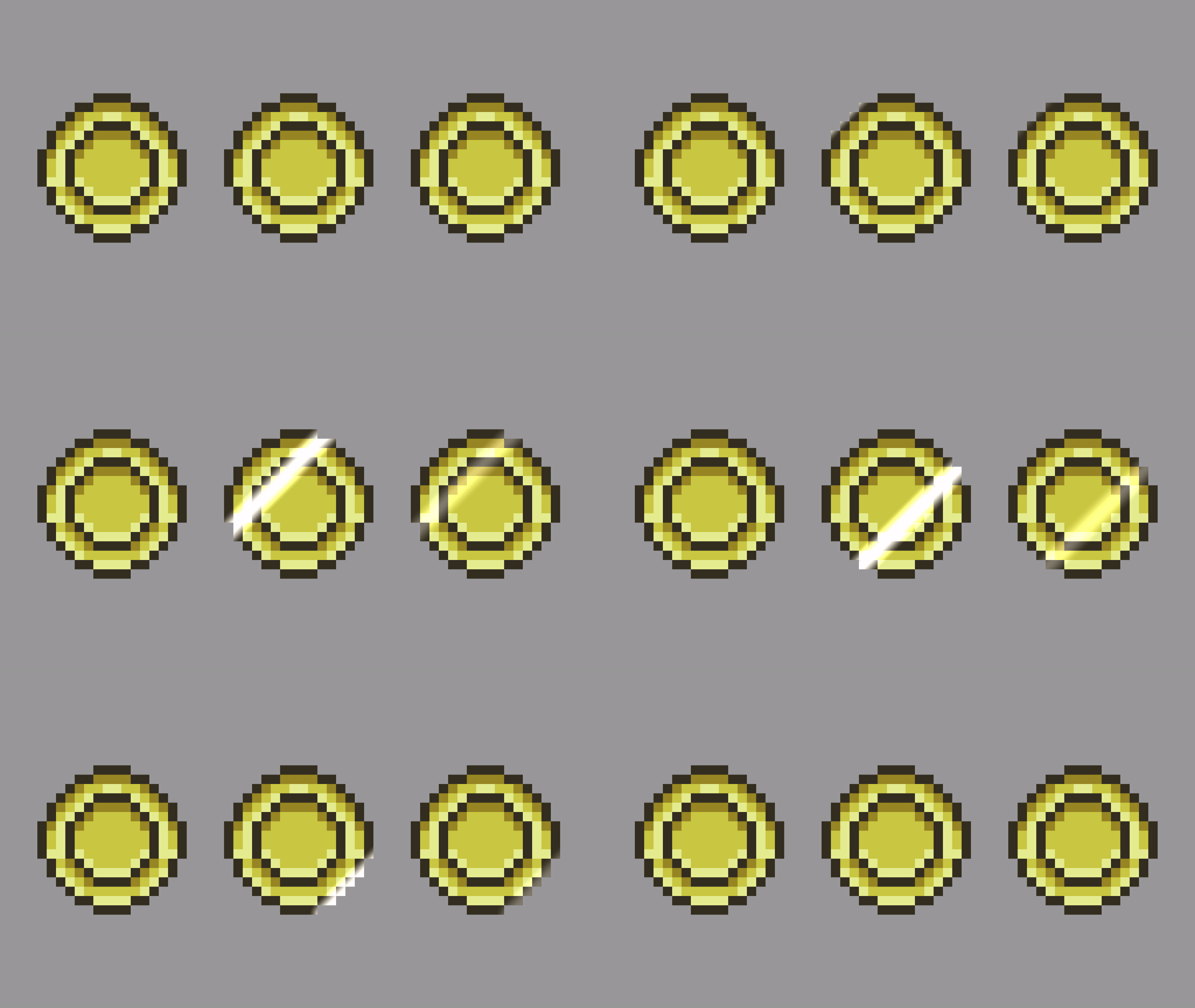
Learn how to create a stunning shining coin effect using a line segment SDF in a GLSL shader. Step by step instructions help you achieve a professional finish. Play with brightness and smoothing for your unique touch. Check out the examples for inspiration. Get creative and enjoy the process!
-
Simple edge detection shader using a kernel

This tutorial guides you in creating an edge detection shader using the GLSL shading language and a kernel. After duplicating the shader code from the previous gaussian blur tutorial, you adjust the kernel values to achieve the desired effect. The tutorial concludes with sample images. Happy coding!
-
Simple sharpen shader using a kernel
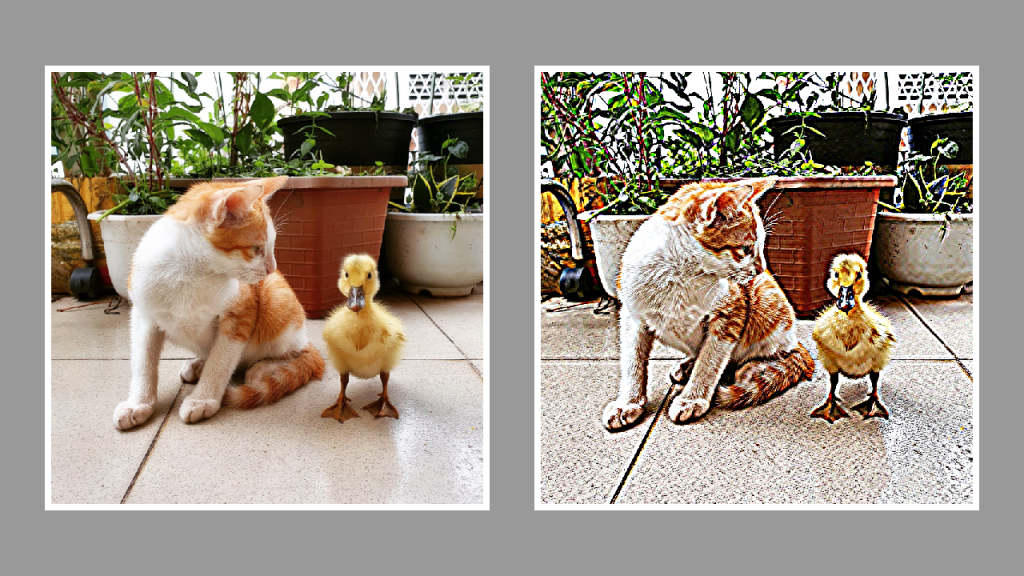
This tutorial will show you how to create a sharpen effect using a kernel in a GLSL shader. By modifying the gaussian blur shader from the last tutorial and replacing the code with a sharpen kernel, you will be able to create a sharpen effect. Happy coding!
-
Simple gaussian blur shader using a kernel
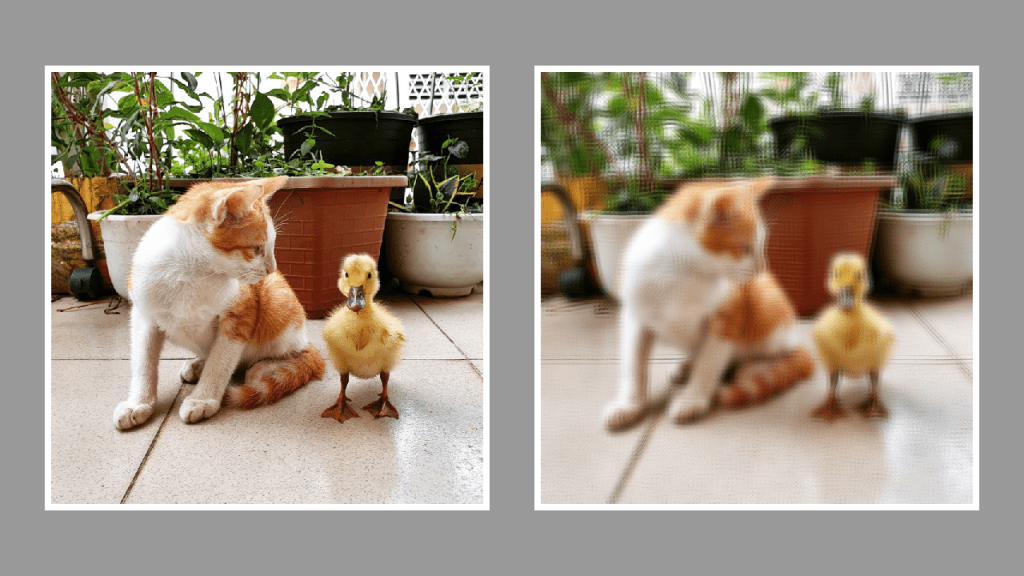
This tutorial demonstrates creating a gaussian blur shader using a kernel and the GLSL shader language. The process involves creating a kernel, defining a sample distance, applying blur, and setting the pixel alpha. Images with different sample distances are displayed for comparison. Thank you for reading this helpful guide!
-
Creating a binary image shader
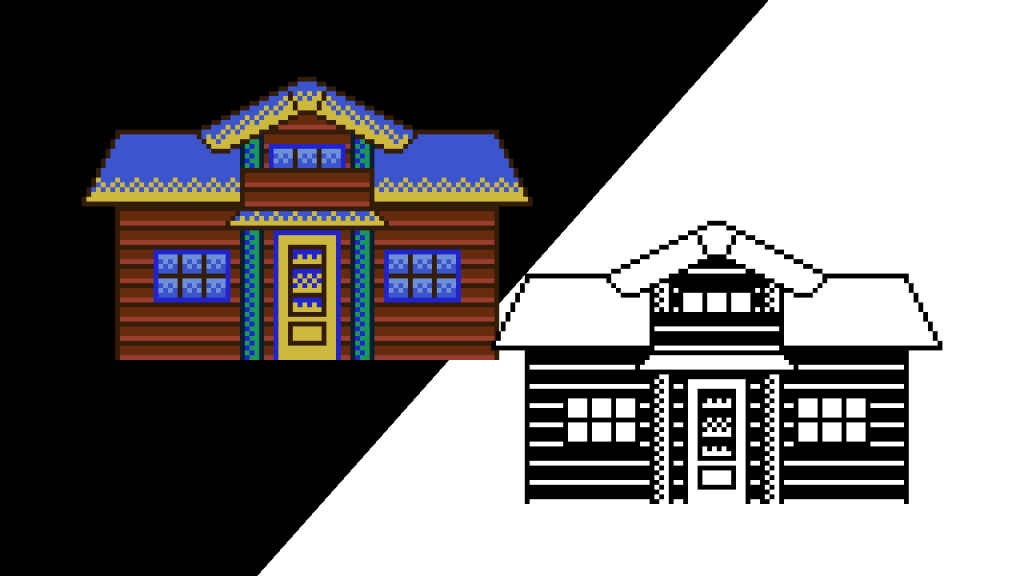
In this tutorial, learn how to convert a sprite to a binary image using a GLSL shader. Utilising only two colours, typically black and white, you can follow simple steps to achieve this effect. Experiment with different colours and bias values to personalise your results. Get creative and enjoy the process!
-
Creating a duotone gradient in a GLSL shader
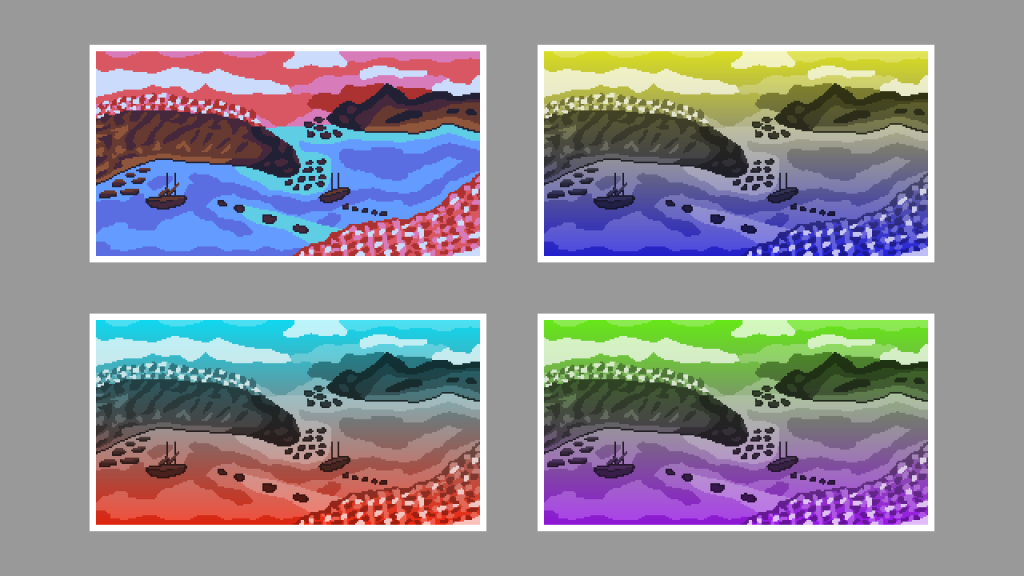
This tutorial guides you through creating a duotone gradient in a GLSL shader. Steps include converting to greyscale, creating a gradient, overlaying colours, and setting the output alpha. Experiment with colours and gradients to customise your sprite.
-
Creating a duotone gradient in GIMP
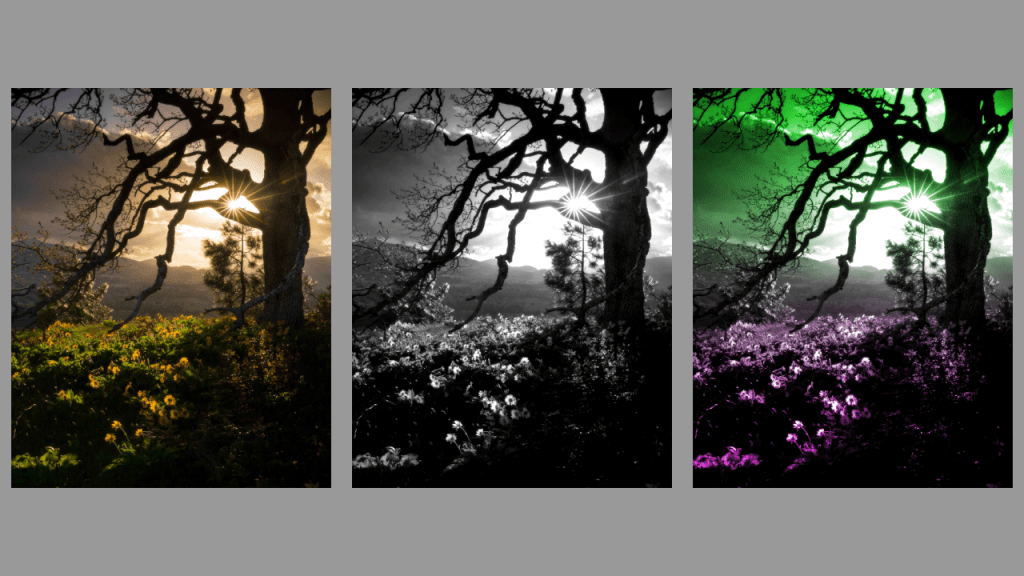
This tutorial demonstrates how to create a duotone gradient in GIMP, applicable to other image editors like Adobe Photoshop. Find an image, convert to greyscale, adjust contrast, create a gradient, and apply overlay blend mode to finish. Experiment with different gradients for unique effects. Happy editing!
-
Creating a duotone circle effect in a GLSL shader
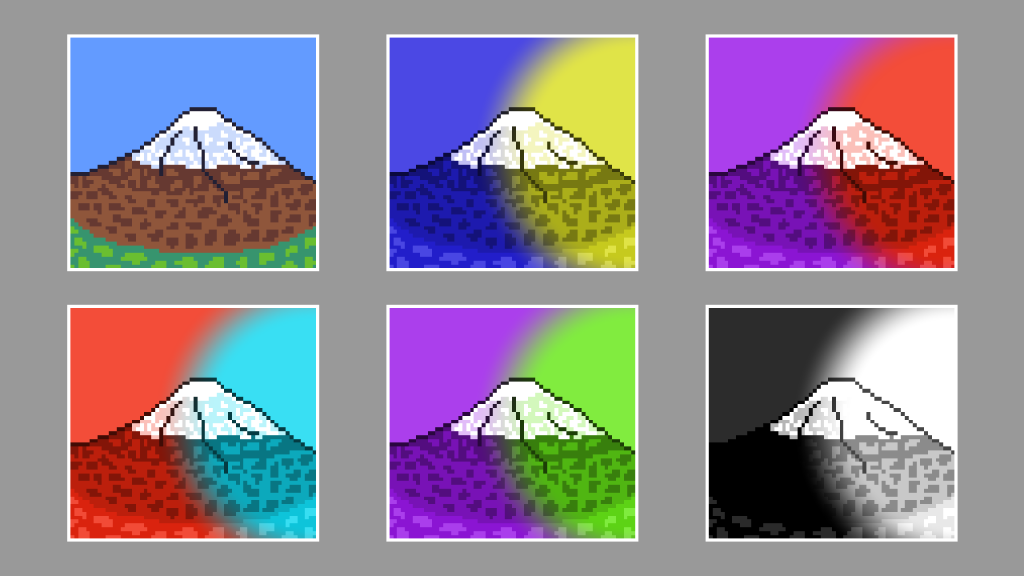
This tutorial demonstrates creating a duotone circle effect in a GLSL shader using a sprite of a mountain. By following the outlined steps, you can achieve a visually appealing result. The process involves details such as aspect ratio correction, creating a circle, converting to greyscale, overlaying colours, and setting the alpha channel. Experiment with different…
-
Creating a duotone circle effect in GIMP
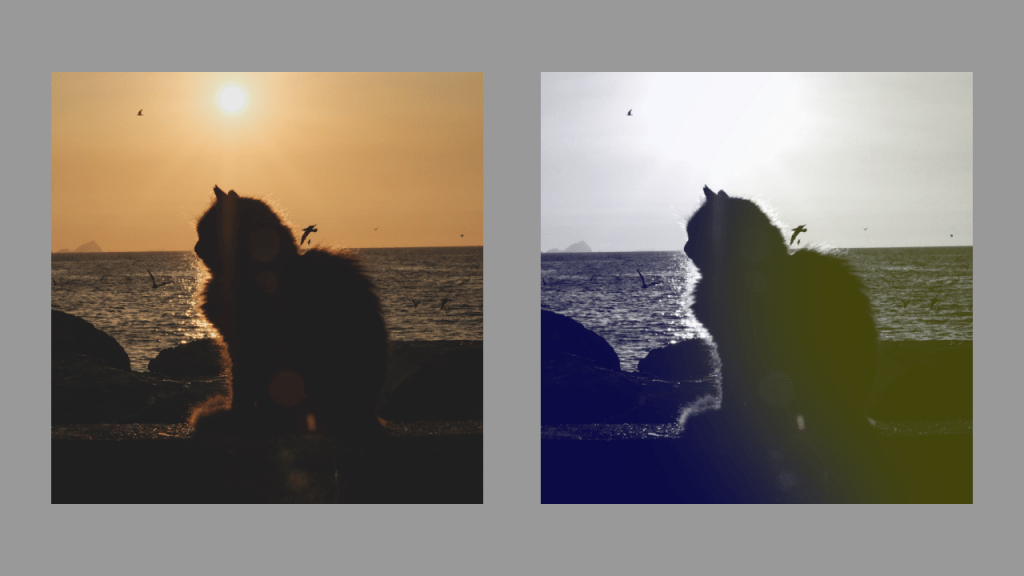
Learn how to create a stunning duotone circle effect using GIMP. Choose a suitable image, convert it to greyscale, select colours, create a circle, apply Gaussian blur, and adjust the layer opacity. Experiment with different colours and contrasts for a unique result. Enjoy enhancing your images with this creative technique!
-
Creating a duotone effect in a GLSL shader
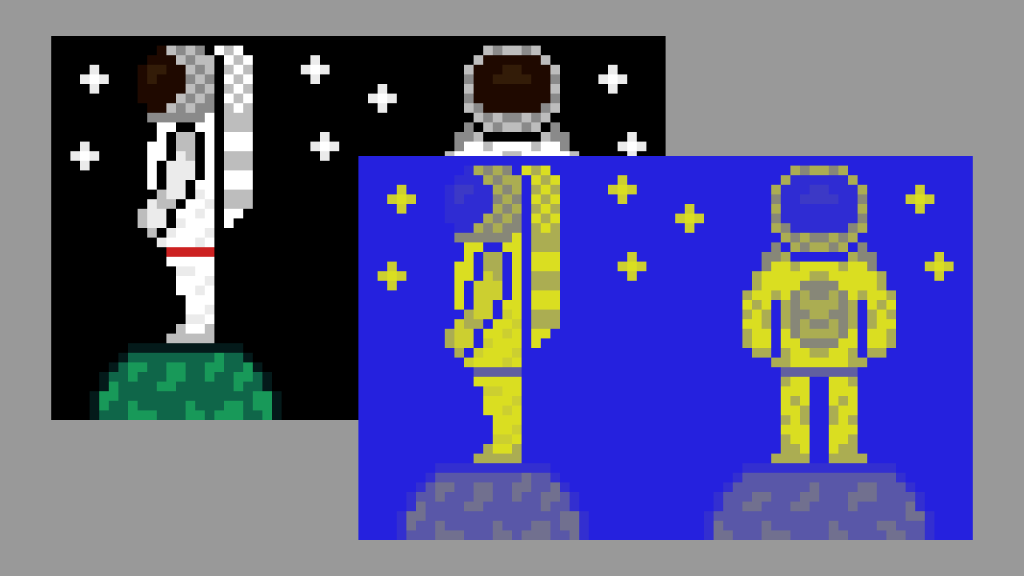
This tutorial demonstrates how to create a duotone effect in a GLSL shader using an astronaut sprite. The process involves converting pixel colours to greyscale, determining pixel brightness in HSV format, mixing shadow and highlight colours, and adjusting effect intensity. The final step ensures transparency functions correctly. Explore the full tutorial for complete guidance.

Agate DRAGON Games
Creating games, shaders and pixel art
 Agate DRAGON Games